 Auto Car Deal us
Related Articles



How To Test Car battery
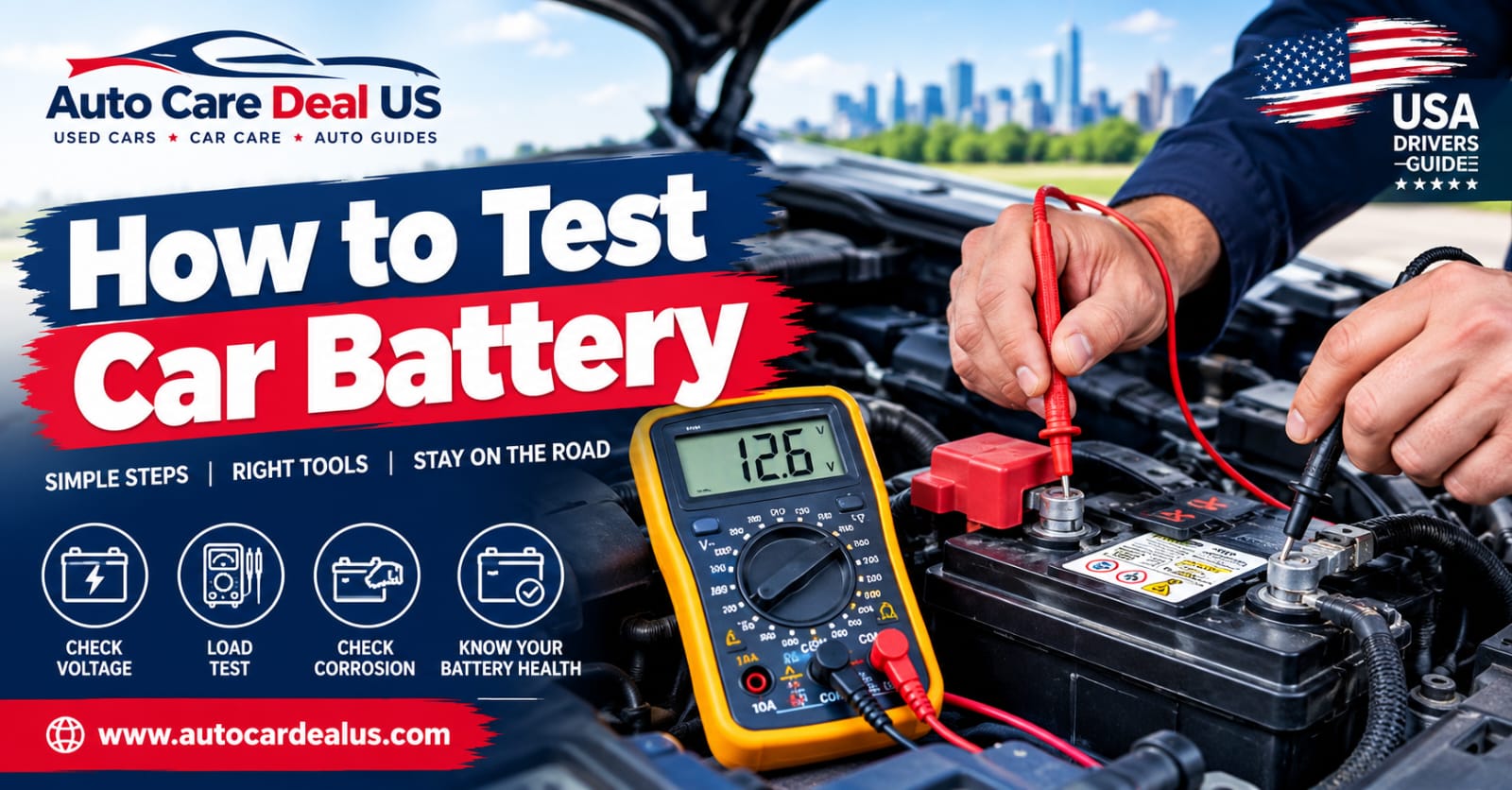
A Complete Guide for New York Drivers How To Test Car Battery
A reliable Car Battery in USA is essential for starting vehicles safely. Your battery supplies electrical power to start the engine and operate important systems. New York drivers may experience battery problems during extreme weather conditions. Cold winters and hot summers can affect battery performance over time. Regular testing helps identify weak batteries before unexpected breakdowns occur. Auto Car Deal US recommends checking battery condition regularly. A simple inspection and voltage test can reveal potential electrical problems. Understanding basic battery testing methods helps drivers make better maintenance decisions.
1. Understand Why Testing Your Car Battery Matters How To Test Car Battery
Testing your vehicle battery can help prevent unexpected starting problems. A weak battery may still start the engine occasionally. However, its performance can decline without obvious warning signs. Regular battery testing helps identify reduced charging capacity early. Drivers can avoid becoming stranded in inconvenient locations. Battery health also affects headlights, electronics, and other electrical components. Modern vehicles depend heavily on reliable electrical systems. Testing becomes especially important before winter weather arrives. New York temperatures can create additional stress on aging batteries. Routine inspections support better vehicle reliability and long-term maintenance planning.
2. Check for Common Signs of a Weak Battery
Several warning signs may indicate declining battery performance. Slow engine cranking is one common symptom. The starter may sound weaker than usual. Dim headlights can also suggest an electrical power problem. Dashboard warning lights may appear when voltage becomes unstable. Some vehicles experience problems with power accessories and electronics. Corroded battery terminals can interfere with electrical connections. A swollen battery case may indicate serious internal damage. Frequent jump-start requirements are another important warning sign. These symptoms should encourage drivers to perform battery testing promptly.
3. Perform a Visual Inspection Before Testing
Start by turning off the engine and electrical accessories. Open the hood and carefully inspect the battery. Look for cracks, leaks, swelling, or physical damage. Check the battery terminals for corrosion buildup. White or bluish material can affect electrical connections. Ensure battery cables are securely attached to terminals. Loose connections may cause starting and charging problems. Inspect the battery hold-down bracket for proper positioning. A loose battery can become damaged during vehicle movement. Never touch leaking battery fluid with bare hands. Serious damage should be inspected by a qualified automotive professional.
4. Test Battery Voltage Using a Multi meter
A digital multi meter is useful for measuring battery voltage. Turn the vehicle engine completely off before testing. Set the multi meter to measure direct current voltage. Connect the red probe to the positive terminal. Connect the black probe to the negative terminal. A fully charged conventional battery usually measures around 12.6 volts. Lower readings may indicate reduced charge or battery problems. Around 12.4 volts can suggest partial battery discharge. A significantly lower reading requires further charging and inspection. Always follow the multi meter manufacturer’s instructions during testing.
5. Check the Battery While the Engine Runs
Testing voltage while the engine operates checks charging system performance. Start the engine after completing the resting voltage test. Measure voltage again using the multi meter probes. The alternator should normally increase the electrical system voltage. Many healthy charging systems operate around 13.7 to 14.7 volts. Exact specifications can vary between different vehicle manufacturers. A low reading may indicate alternator or wiring problems. An unusually high reading can also damage electrical components. Consult your vehicle owner’s manual for recommended specifications. Professional diagnostic testing may be necessary when readings appear abnormal.
6. Use a Battery Load Test for Better Results
A load test provides more information about battery condition. This test measures performance while electrical demand is applied. Automotive repair shops commonly use professional battery load testers. Some auto parts stores also provide battery testing services. The test can reveal weak internal battery cells. A battery may show normal voltage without holding sufficient power. Load testing helps identify this hidden performance problem. Professional equipment provides more reliable results than voltage alone. Testing should consider battery age and cold cranking capability. A weak result may indicate replacement is becoming necessary.
7. Check Cold Cranking Amps and Battery Capacity
Cold cranking amps measure starting power during cold temperatures. This rating is commonly displayed on the battery label. Higher CCA ratings generally provide stronger cold-weather starting ability. However, drivers should use the manufacturer-recommended battery specifications. Installing an incorrect battery may create performance problems. Battery testers can compare available CCA with rated capacity. Reduced capacity may indicate battery aging or internal damage. Reserve capacity is another important battery performance measurement. It shows how long electrical systems operate under specific conditions. Understanding these ratings helps drivers select suitable replacement batteries.
8. Consider New York Weather and Battery Performance
New York weather can significantly affect automotive battery performance. Cold temperatures make engine starting more difficult. Batteries may also produce less available power during freezing conditions. Hot weather can accelerate chemical reactions inside batteries. Excessive heat may shorten the overall battery lifespan. Seasonal temperature changes create additional stress on aging batteries. Drivers should test batteries before demanding winter conditions arrive. Parking in protected areas may reduce extreme temperature exposure. Regular maintenance helps improve electrical system reliability. A properly tested Car Battery in USA supports safer driving throughout changing seasons.
9. Know When Battery Replacement Is Necessary
Testing can help determine whether replacement is appropriate. Most automotive batteries eventually lose their ability to hold charges. Battery age is an important factor during evaluation. Many conventional batteries last approximately three to five years. Actual lifespan depends on climate, driving habits, and maintenance. Frequent short trips may prevent complete battery charging. Repeated jump-starting can also indicate a serious problem. Physical swelling or leaking requires immediate professional attention. Always choose the correct battery group size. Auto Car Deal US recommends comparing warranty, capacity, and manufacturer specifications before replacement.
10. Maintain Your Battery After Testing
Good maintenance can help extend battery service life. Keep terminals clean and free from corrosion buildup. Ensure cable connections remain tight and secure. Avoid leaving headlights or accessories running unnecessarily. Drive the vehicle regularly to support battery charging. Check the charging system during routine maintenance visits. Extreme temperatures may require additional battery inspections. Use a compatible battery charger when recommended. Never overcharge the battery using unsuitable equipment. Regular testing and maintenance can reduce unexpected starting problems. Proper care supports reliable performance and protects important vehicle electrical systems.
Frequently Asked Questions
How can I test my car battery at home?
You can test battery voltage using a digital multi meter. Check the voltage with the engine off and running.
What voltage should a healthy car battery show?
A fully charged battery typically reads approximately 12.6 volts. Charging system voltage usually increases while the engine operates.
Why does my car battery become weak?
Battery age, extreme temperatures, and frequent short trips cause weakness. Corrosion and charging system problems can also reduce performance.
When should I test my car battery?
Test your battery regularly and before demanding winter weather. You should also test it after slow starting problems appear