 Auto Car Deal us
Related Articles



How To Remove Scratches Car
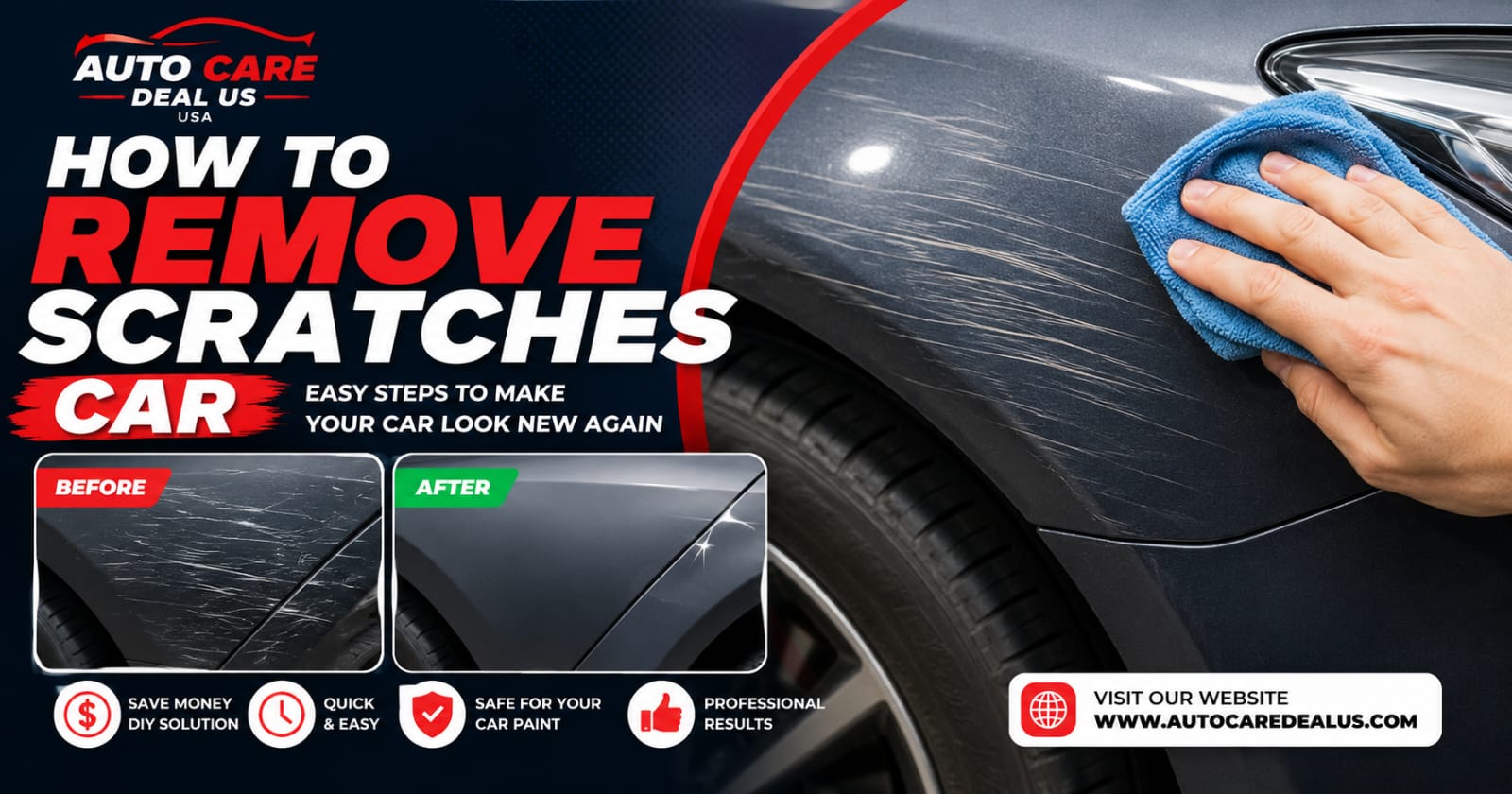
1. Understanding Car Scratches
Learning how to Remove Scratches Car in USA starts with identifying damage depth.Not every scratch requires professional bodywork or expensive paint correction services.Some marks affect only the clear coat covering your vehicle’s painted surface.Deeper scratches may reach the color coat, primer, or bare metal.New York drivers can experience scratches from road debris, parking areas, and winter conditions.Understanding the damage helps determine which repair method provides suitable results.Auto Car Deal US recommends inspecting scratches carefully before purchasing repair products.How To Remove Scratches Car
2. Identify the Scratch Depth
Scratch depth determines whether polishing, compound, touch-up paint, or professional repair works best.Light clear-coat scratches often appear as thin surface marks under bright lighting.These scratches usually respond well to careful cleaning and paint polishing.Medium scratches may expose the underlying paint and require additional restoration.Deep scratches can reveal primer or metal beneath multiple protective layers.Run a clean fingernail gently across the damaged area for basic assessment.If your fingernail catches significantly, professional paint repair may become necessary.How To Remove Scratches Car
3. Wash the Vehicle Before Repair
Always clean the damaged area before attempting automotive scratch removal.Dirt particles can create additional swirl marks during polishing and rubbing.Use automotive car wash soap with clean water and a soft microfiber mitt.Avoid household detergents because they can remove protective automotive surface treatments.
Rinse thoroughly to remove loose dust, grime, salt, and road contaminants.Dry the surface carefully using a clean microfiber drying towel afterward.New York vehicles may need additional cleaning because winter roads leave salt residue.How To Remove Scratches Car
4. Gather the Necessary Repair Supplies
The correct supplies can make scratch repair safer and more consistent.Common products include microfiber towels, automotive soap, polishing compound, and scratch remover.You may also need masking tape for protecting nearby painted surfaces.Deeper damage can require matching touch-up paint and automotive primer.
Choose products specifically designed for automotive paint and clear-coat finishes.Avoid abrasive household cleaners because they can permanently damage vehicle surfaces.Always follow product directions because application methods differ between manufacturers.
5. Remove Light Clear-Coat Scratches
Light scratches commonly affect only the vehicle’s outer clear-coat layer.These marks can often improve through polishing and controlled paint correction.Apply a small amount of suitable scratch remover onto a microfiber applicator.Work gently across the affected area using controlled circular or straight movements.
Avoid applying excessive pressure because unnecessary abrasion can reduce clear-coat thickness.Wipe away residue using another clean microfiber towel after polishing.Inspect the surface under direct lighting before repeating the process carefully.
6. Use Polishing Compound Carefully
Polishing compound contains fine abrasives that level minor surface imperfections.Choose a product appropriate for your vehicle’s paint finish and scratch severity.Apply a small quantity rather than covering the entire panel immediately.Work slowly while maintaining consistent pressure across the damaged section.
Afterward, remove residue and inspect the repaired surface under good lighting.Multiple light applications are generally safer than one aggressive polishing session.Stop immediately if the paint becomes unusually thin, dull, or discolored.
7. Repair Deeper Scratches With Touch-Up Paint
Deep scratches require additional care because polishing cannot replace missing paint.Clean and dry the damaged area before applying any touch-up product.Use automotive touch-up paint that closely matches your vehicle’s factory color.Apply thin layers instead of creating one thick, uneven paint buildup.Allow each layer to dry according to the manufacturer’s recommended instructions.A clear coat may provide additional protection after the color coat cures.
For extensive damage, professional auto body repair usually provides better results.
8. Protect the Repaired Paint Surface
Paint protection helps preserve the appearance after completing scratch restoration.Once repaired surfaces have fully cured,consider applying suitable automotive wax.Paint sealants can provide additional protection against environmental contaminants and moisture.Ceramic coatings may offer longer-lasting surface protection when professionally applied.Avoid washing freshly repaired areas until the recommended curing period finishes.
Regular washing removes contaminants that can gradually damage automotive paint protection.Parking away from direct hazards can also reduce future scratches and surface damage.
9. Know When Professional Repair Is Better
Professional assistance becomes appropriate when scratches expose metal or extensive primer.Body shops can perform sanding, color matching, blending, and clear-coat refinishing.Professional technicians also have equipment unavailable to most home users.
This approach can restore damaged panels while maintaining a consistent factory appearance.New York drivers should consider professional repairs before corrosion develops around exposed metal.Deep damage may eventually spread beneath surrounding paint without proper treatment.Get an estimate before repair when several panels require significant paint restoration.
10. Prevent Future Car Scratches
Preventing scratches is easier than repeatedly correcting damaged automotive paint.Wash vehicles with clean microfiber materials and proper automotive cleaning products.Avoid automatic brushes that may introduce swirl marks across delicate clear coats.Maintain safe parking distances from shopping carts, neighboring vehicles, and concrete barriers.Remove bird droppings, tree sap, and road contaminants as soon as possible.Consider paint protection film for frequently exposed areas such as bumpers.Regular detailing can help maintain gloss while identifying new surface imperfections early.
Frequently Asked Questions
How can I effectively remove small scratches from my car’s surface?
Begin by thoroughly cleaning and drying the damaged area before starting repairs.Use automotive scratch remover or polishing compound for light clear-coat marks.Apply products gently while checking the surface between each application.
Which products are most effective for repairing scratches on a car?
Microfiber towels, automotive polish, scratch remover, and suitable compounds work effectively.Deeper scratches may require color-matched touch-up paint and clear coat.Always select products specifically designed for automotive paint surfaces.
Why is aggressive polishing unsuitable for repairing deep car scratches?
Aggressive polishing removes clear coat without replacing missing underlying paint layers.Excessive abrasion can create dull patches or permanently weaken surface protection.Deep damage generally requires touch-up paint or professional refinishing services.
When should I take my vehicle to a professional auto body repair shop?
Visit a professional when scratches expose primer, bare metal, or large areas.Professional technicians can match paint and repair deeper surface damage accurately.Prompt repairs can also help prevent moisture-related corrosion on exposed metal.
