 Auto Car Deal us
Related Articles

Car Breathalyzer: An Essential Guide for Drivers in the United States
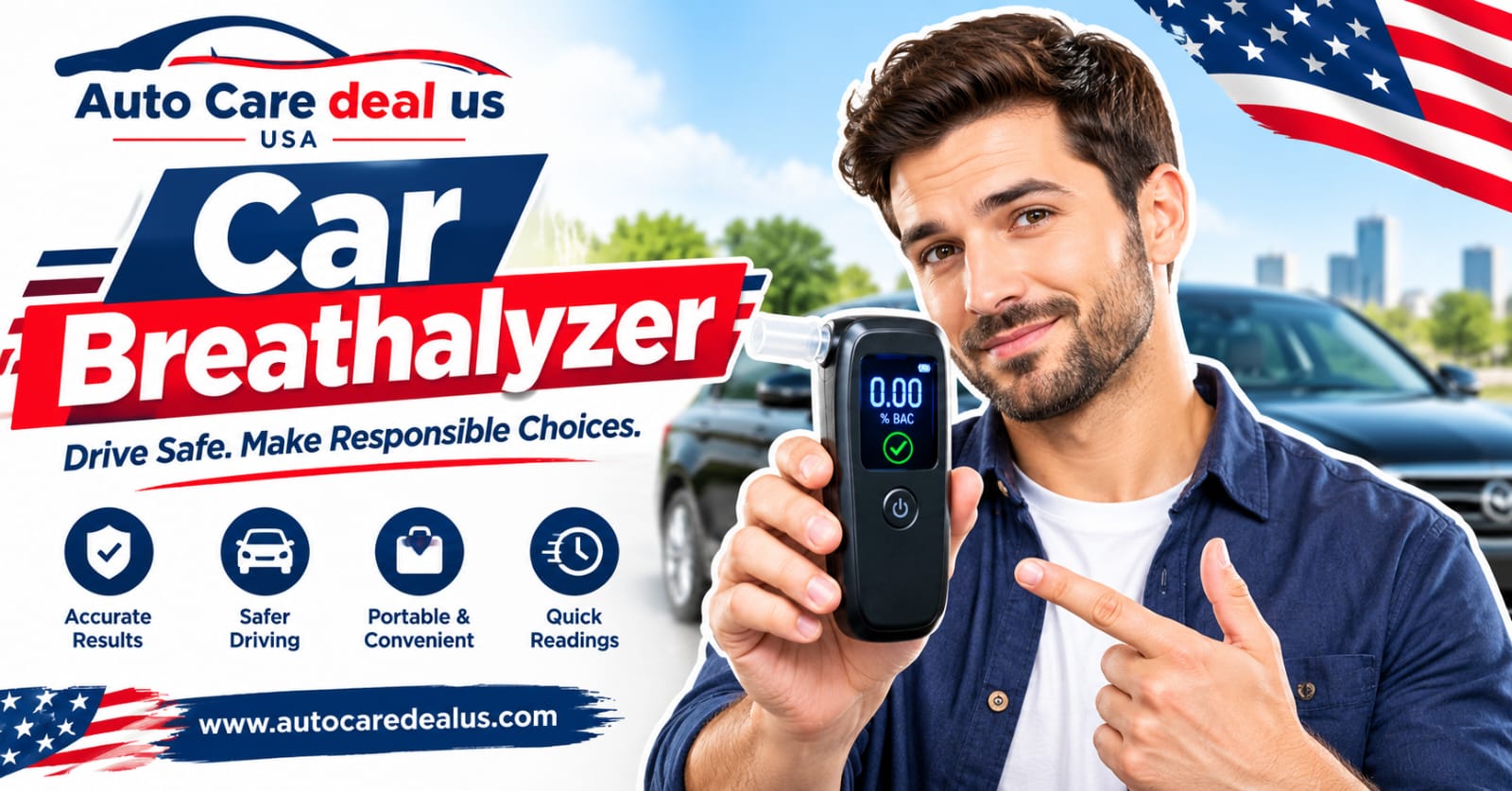
Driving safely requires responsible decisions, especially when alcohol may affect performance. A Car Breathalyzer in USA can help drivers estimate their blood alcohol concentration before operating a vehicle. These devices analyze a person’s breath and provide an estimated alcohol reading. Understanding how breath alcohol testing works can encourage safer driving habits. Modern alcohol detection devices are available in several forms and accuracy levels. At Auto Car Deal US, we believe drivers should understand important vehicle safety technologies and responsible driving practices.Car Breathalyzer: An Essential Guide for Drivers in the United States
1. What Is a Car Breathalyzer.
A car breathalyzer is a device designed to measure alcohol concentration through breath. The device estimates the amount of alcohol present in someone’s bloodstream. Drivers blow into a mouthpiece, and the device analyzes their breath sample. The results are usually displayed as an estimated blood alcohol concentration reading. Personal breathalyzers, professional testing devices, and ignition interlock systems serve different purposes. Their accuracy can vary depending on technology, maintenance, and proper usage. A breathalyzer should always support responsible decisions rather than replace legal requirements.Car Breathalyzer: An Essential Guide for Drivers in the United States
2. How Does Breath Alcohol Testing Work Car Breathalyzer: An Essential Guide for Drivers in the United States
Breath alcohol testing works by measuring alcohol molecules in exhaled air. Alcohol enters the bloodstream after a person consumes alcoholic beverages. Some alcohol eventually reaches the lungs through normal blood circulation. When a person exhales, the breath contains measurable alcohol particles. Breathalyzer sensors analyze those particles and estimate blood alcohol concentration levels. Different devices use semiconductor, fuel cell, or advanced infrared technology. Fuel cell sensors generally provide better accuracy than basic consumer sensors. Proper testing procedures are important for receiving more consistent results.
3. Different Types of Breathalyzer Devices Car Breathalyzer: An Essential Guide for Drivers in the United States
Several breath alcohol testing devices are available for different purposes. Personal breathalyzers are portable devices intended for individual awareness and convenience. Professional breath testing equipment may offer greater precision and reliability. Law enforcement agencies use specialized devices under controlled testing procedures. Ignition interlock devices connect directly with a vehicle’s starting system. These systems may require a breath sample before allowing the engine to start. Choosing the appropriate device depends on intended use, accuracy requirements, and applicable regulations.Car Breathalyzer: An Essential Guide for Drivers in the United States
4. Understanding Blood Alcohol Concentration Levels
Blood alcohol concentration, commonly called BAC, measures alcohol within a person’s bloodstream. Alcohol can affect judgment, reaction time, coordination, and overall driving ability. The effects may vary significantly between different individuals and situations. Body weight, food consumption, metabolism, and drinking patterns can influence results. A person may feel capable while still experiencing reduced driving performance. This makes responsible transportation planning especially important after consuming alcohol. Drivers should understand that impairment can begin before obvious symptoms appear.Car Breathalyzer: An Essential Guide for Drivers in the United States
5. Why Accuracy Matters When Using Breathalyzers
Accuracy is one of the most important factors when selecting devices. Low-quality sensors may provide inconsistent readings under different testing conditions. Calibration helps ensure that a device continues producing reliable measurements. Temperature, improper breathing techniques, and device maintenance can affect results. Some products require regular calibration according to manufacturer recommendations. Professional-grade equipment generally follows stricter testing and maintenance standards. Personal devices should never be considered guaranteed legal evidence. Responsible drivers should avoid making risky decisions based only on one reading.
6. Ignition Interlock Systems and Vehicle Safety
Ignition interlock technology is another important alcohol-related vehicle safety system. These devices require drivers to provide breath samples before starting vehicles. If alcohol readings exceed programmed limits, the vehicle may remain disabled. Some systems also require additional testing while the vehicle is operating. Ignition interlock programs can be required under specific legal circumstances. Requirements vary between states and individual court or licensing decisions. Proper installation and maintenance are essential for reliable system performance. These systems support efforts to reduce alcohol-impaired driving incidents.
7. How to Use a Breathalyzer Correctly
Correct usage can improve the consistency of breathalyzer test results. Always read the manufacturer’s instructions before using any alcohol testing device. Wait according to recommended guidelines before providing a breath sample. Recent eating, drinking, or certain products may influence some readings. Use a clean mouthpiece whenever the manufacturer recommends replacement or cleaning. Blow steadily into the device for the required testing duration. Avoid testing repeatedly without following the recommended waiting periods. Regular calibration can also help maintain the device’s expected performance.
8. Important Limitations of Personal Breathalyzers
Personal breathalyzers can provide useful information, but they have important limitations. Consumer devices may not deliver the same accuracy as professional equipment. Sensor quality and calibration schedules can significantly influence measurement consistency. A low reading does not automatically mean someone can safely drive. Individual impairment levels can differ even with similar BAC measurements. Fatigue, medications, and other factors may further affect driving ability. Drivers should always choose the safest transportation option when uncertainty exists. A breathalyzer should support caution rather than encourage unnecessary risks.
9. How to Choose the Right Device for Your Needs
Choosing a breath alcohol device requires considering several important factors. First, determine whether you need personal or professional-level testing capabilities. Sensor technology can strongly influence accuracy and long-term device reliability. Look for clear manufacturer information about calibration and maintenance requirements. Replaceable mouthpieces may improve hygiene when multiple people use devices. Consider battery life, portability, display readability, and operating instructions. Reviews and product testing information can also support informed purchasing decisions. Auto Car Deal US encourages drivers to prioritize quality and responsible usage.
10. Promoting Responsible Driving Across the United States
Technology can support safer decisions, but personal responsibility remains essential. Drivers should plan transportation before attending events involving alcoholic beverages. Designated drivers, taxis, and ride share services provide safer alternatives when needed. Friends and family members can also help prevent impaired driving situations. Education about alcohol impairment remains important for communities across the country. Vehicle safety technology continues improving through advanced monitoring and prevention systems. However, no device can completely replace careful judgment and responsible behavior. Safe choices protect drivers, passengers, pedestrians, and everyone sharing public roads.
Frequently Asked Questions
How does a car breathalyzer detect alcohol levels?A breathalyzer analyzes alcohol molecules in exhaled breath. It then estimates the person’s blood alcohol concentration using sensor technology.
What is the difference between personal and professional breathalyzers?
Personal devices are designed mainly for consumer awareness and convenience. Professional devices generally offer higher accuracy and controlled testing capabilities.
Why should drivers understand breathalyzer limitations?
Breathalyzer readings can be affected by device quality and testing conditions. A result should never replace responsible judgment about driving safely.
When should a breathalyzer be calibrated?
Calibration schedules depend on the device and manufacturer recommendations. Regular calibration can help maintain more reliable and consistent measurements.
At Auto Car Deal US we promote vehicle safety, responsible driving, and informed decisions. Understanding breath alcohol testing technology can help drivers recognize its benefits and limitations. The most important goal is always preventing impaired driving and protecting everyone on the road.
