 Auto Car Deal us
Related Articles
How To Check Transmission Fluid Level
1. Understanding How To Check Transmission Fluid Leve Fluid
Checking the How To Check Transmission Fluid Leve Fluid Level in USA is an important part of routine vehicle maintenance. Transmission fluid lubricates internal components and helps manage operating temperatures. It also supports smooth gear changes and protects transmission parts from excessive friction. Automatic and manual transmissions may use different inspection procedures. Some modern vehicles have sealed transmissions that require specialized service equipment. Always consult your owner’s manual before checking or adding transmission fluid. Auto Car Deal US recommends following manufacturer instructions for accurate maintenance. Proper fluid care can help support dependable transmission performance and reduce unnecessary repair costs.
2. Check Your Owner’s Manual First
Your owner’s manual provides the most reliable How To Check Transmission Fluid Leve maintenance information. It identifies the correct fluid type, inspection procedure, and recommended service intervals. Some vehicles have a traditional transmission dipstick under the hood. Others use a sealed transmission without an accessible dipstick. The manufacturer may specify a particular fluid temperature during inspection. Following the correct procedure helps prevent inaccurate readings and improper fluid levels. Never assume every vehicle uses the same transmission fluid. Using an incorrect fluid can affect shifting performance and internal transmission components. Always verify specifications before purchasing or adding any fluid.
3. Prepare the Vehicle Safely
Park the vehicle on a flat, level surface before starting the inspection. A level surface helps provide a more accurate fluid measurement. Engage the parking brake and keep the vehicle secure during inspection. Some manufacturers require the engine to remain running during measurement. Others may specify checking the fluid with the engine switched off. Follow the procedure listed in your vehicle’s owner’s manual.Keep your hands and loose clothing away from moving engine components. Avoid touching hot transmission or exhaust components during the inspection. Proper preparation protects you while helping produce a reliable fluid reading.
4. Warm the Transmission Properly
Many automatic transmissions require fluid temperature within a specified operating range. Driving the vehicle briefly can help bring the transmission to operating temperature. However, the exact procedure differs between vehicle manufacturers and transmission designs. Some manufacturers recommend shifting through each gear before checking fluid. This allows fluid to circulate throughout the transmission system. Do not guess the required temperature or operating procedure. Your owner’s manual should provide the appropriate instructions for your vehicle. Excessively hot fluid can cause burns and inaccurate handling. Always use caution when working around a warm engine compartment.
5. Locate the How To Check Transmission Fluid Leve Dipstick
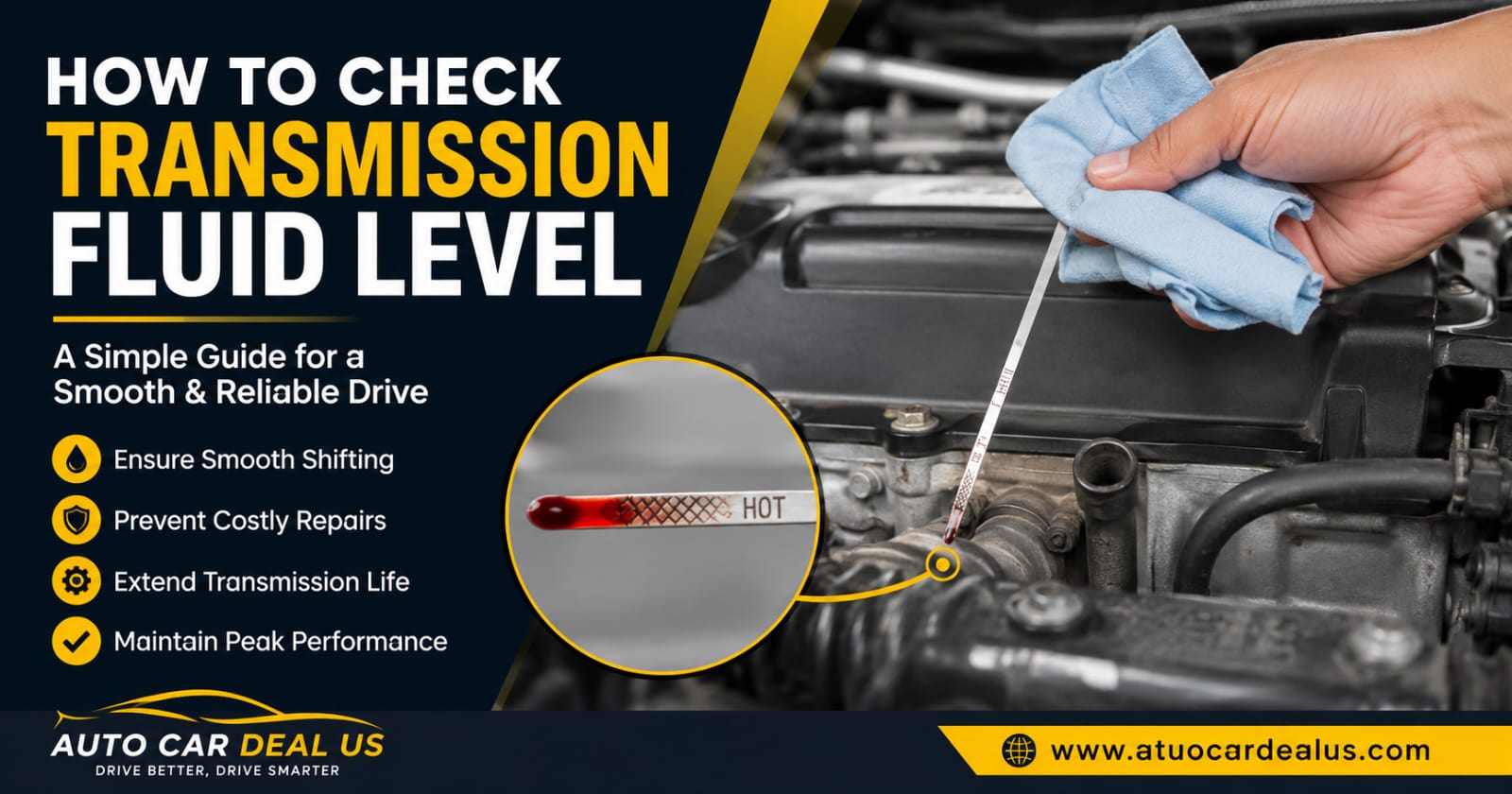
If your vehicle has a dipstick, locate it inside the engine compartment. Transmission dipsticks often have brightly colored handles for easier identification. However, their appearance and location vary across different vehicle models. Make sure you do not mistake the transmission dipstick for the engine oil dipstick. Consult the owner’s manual if you cannot identify the correct component. Remove the dipstick carefully and avoid contaminating its end. Wipe it clean using a lint-free cloth or suitable paper towel. Reinsert the dipstick completely according to the manufacturer’s instructions. Accurate placement is necessary for obtaining a dependable fluid reading How To Check Transmission Fluid Leve?
How To Check Transmission Fluid Leve
After cleaning the dipstick, reinsert it completely into its tube. Remove it again and examine both sides of the indicator. Transmission dipsticks commonly contain markings such as HOT, COLD, FULL, or ADD. The correct range depends on the manufacturer’s specified inspection conditions. Keep the vehicle level while interpreting the measurement. The fluid should generally fall within the designated operating range. A low reading may indicate insufficient fluid or a possible leak. An unusually high level can also create transmission performance problems. Never add fluid simply because the fluid looks dark or smells different.
7. Inspect How To Check Transmission Fluid Leve Fluid Condition
Fluid level is important, but fluid condition also deserves attention. Healthy transmission fluid typically has a manufacturer-approved appearance and clean condition. Fluid color can vary depending on the transmission design and fluid formulation. Dark, contaminated, or burnt-smelling fluid may indicate a maintenance concern. Metal particles or unusual debris can suggest internal component wear. Do not rely on color alone to determine fluid condition. Modern fluids can naturally change appearance during normal service. If you notice unusual odor, contamination, or shifting problems, seek professional inspection. A technician can evaluate the transmission more thoroughly when necessary.
8. Add the Correct How To Check Transmission Fluid Leve Fluid
If the fluid level is below the recommended range, follow the manufacturer’s filling procedure. Only use the transmission fluid recommended for your specific vehicle. Adding the wrong fluid can cause shifting problems and component damage. Add small amounts gradually rather than pouring in excessive fluid. Recheck the level after each small addition. Overfilling can cause foaming, pressure problems, and erratic transmission operation. Keep the filler area clean to prevent dirt entering the transmission. Never use engine oil or another automotive fluid as a substitute. Proper fluid selection and accurate measurement are essential for transmission reliability.
9. Watch for Leaks and Warning Signs
A low transmission fluid level may indicate an external fluid leak. Look underneath the vehicle for fresh fluid around the transmission area. Transmission leaks can develop around seals, gaskets, lines, or other components. Fluid spots should be investigated rather than repeatedly topping off the reservoir. Warning signs may include delayed engagement, slipping, harsh shifting, or unusual noises. Burning smells can also indicate excessive heat or transmission problems. Addressing these symptoms early may prevent more extensive mechanical damage. If the transmission behaves abnormally, professional diagnosis is recommended before continued driving.
10. Maintain How To Check Transmission Fluid Leve Fluid Regularly
Transmission maintenance should follow the schedule established by your vehicle manufacturer. Some vehicles require periodic fluid replacement and filter servicing. Others use sealed systems designed for specialized inspection and maintenance procedures. Driving conditions can influence transmission fluid service requirements over time. Towing, heavy traffic, extreme temperatures, and frequent short trips can increase operating demands. Keep records of transmission services to monitor maintenance history. Never ignore warning signs simply because the fluid level appears correct. Regular inspections can support smooth shifting and protect internal transmission components.
FAQs About Transmission Fluid Levels
How do I check transmission fluid level?
First, consult your owner’s manual for the correct inspection procedure. Park the vehicle on a level surface and secure the parking brake. Follow the specified engine temperature and operating instructions carefully. If equipped, remove, clean, and reinsert the How To Check Transmission Fluid Leve dipstick. Check the fluid against the manufacturer’s designated markings.
What happens if How To Check Transmission Fluid Leve fluid is too low?
Low transmission fluid can reduce lubrication and increase internal component friction. It may also cause delayed engagement, slipping, or harsh gear changes. Continued operation with insufficient fluid can contribute to serious transmission damage. A low reading should therefore be investigated promptly for possible leaks.
Why is the correct transmission fluid How To Check Transmission Fluid Leve?
Different transmissions require specific fluid formulations designed for their internal components. Using an incorrect product can affect lubrication, shifting, seals, and transmission operation. Always verify the recommended specification before adding any fluid. Manufacturer-approved fluid helps support reliable performance and long-term component protection.
When should transmission fluid be checked?
Transmission fluid should be checked according to your manufacturer’s recommended maintenance schedule. You should also inspect it when shifting problems or leaks appear. Vehicles used for towing or heavy traffic may need additional attention. Always follow the specific inspection conditions provided for your vehicle.How To Check Transmission Fluid Level
