 Auto Car Deal us
Related Articles


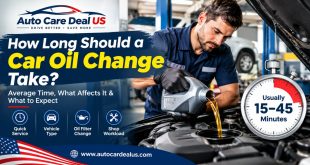
Keeping your vehicle in excellent condition starts with learning how to check car fluids in USA. Every driver should check essential vehicle fluids regularly to protect vital engine components, enhance overall performance, and reduce the risk of costly repairs. Whether you commute through New York City traffic or travel across New York State highways, routine fluid inspections help ensure dependable transportation. Auto Car Deal US recommends following a scheduled maintenance routine because small fluid problems often become costly mechanical failures when ignored.
Why Checking Car Fluids Matters
Vehicle fluids perform essential tasks that keep every mechanical system operating efficiently. Engine oil lubricates moving parts, coolant regulates engine temperature, transmission fluid supports smooth gear changes, and brake fluid ensures reliable stopping performance. Power steering fluid improves steering response, while windshield washer fluid maintains clear visibility during changing weather conditions. Regular fluid inspections help minimize component wear, improve fuel economy, and extend the overall lifespan of your vehicle. Drivers throughout New York experience varying temperatures that make proper fluid maintenance especially important for long-term reliability.
Engine Oil Inspection Steps
Engine oil is the most essential vehicle fluid because it lubricates internal engine components and minimizes exce Before inspecting the engine oil level, park your vehicle on a level surface and wait until the engine has cooled completely massive friction. beginning the inspection. Remove the dipstick, wipe it clean, then reinsert it before checking the oil level. Fresh engine oil is typically amber or light brown, while dark, gritty oil is a clear sign that an oil change is needed. Always confirm the oil reaches the recommended level without exceeding the maximum mark. Using manufacturer-approved motor oil improves engine durability and overall performance.
Checking Coolant Safely
Engine coolant helps prevent overheating in hot summer weather and protects the engine from freezing during cold New York winters. Never remove the radiator cap while the engine remains hot because pressurized coolant can cause serious burns. Instead, inspect the coolant reservoir and verify the fluid reaches the recommended indicator. Clean coolant usually appears green, orange, pink, or yellow depending on manufacturer specifications. Low coolant levels may indicate leaks within the radiator, water pump, thermostat housing, or cooling system hoses requiring immediate inspection.
Inspecting Transmission Fluid
Transmission fluid supports smooth shifting while reducing wear inside automatic and manual transmissions. Some vehicles feature a transmission dipstick for easy checking, while others use sealed transmissions that require professional servicing and inspection. If accessible, check the fluid after warming the engine according to manufacturer instructions. Healthy transmission fluid appears bright red or light pink with a clean smell. Burnt odor, dark coloration, or metal particles suggest internal transmission wear requiring prompt diagnosis before expensive repairs develop further.
Brake Fluid Maintenance
Brake fluid delivers hydraulic force from the brake pedal to the braking system, providing consistent, responsive, and dependable stopping power. Open the hood and locate the brake fluid reservoir positioned near the master cylinder. Confirm the fluid remains between the minimum and maximum markings without opening unnecessary components. Brake fluid naturally absorbs moisture over time, reducing braking performance and increasing corrosion risks. Soft brake pedals, warning lights, or reduced stopping ability often indicate brake system maintenance should occur immediately for driver safety.
Power Steering Fluid Check
Power steering fluid provides smooth steering control and reduces effort during low-speed driving or parking. Locate the power steering reservoir and verify the fluid reaches the recommended level according to the owner’s manual. Clean power steering fluid is typically red, amber, or light brown, depending on the vehicle manufacturer’s specifications. Whining noises, difficult steering, or visible leaks around steering components often indicate insufficient fluid levels.
Windshield Washer Fluid Inspection
Windshield washer fluid improves visibility by removing dirt, insects, road salt, and debris from the windshield surface. Open the washer reservoir cap and refill with quality washer fluid whenever levels become low. Avoid using plain water during freezing weather because it can damage the washer system. Winter washer solutions contain antifreeze protection that keeps the system operating effectively throughout cold New York conditions. Clear visibility supports safer driving during rainstorms, snow, and highway travel.
Signs Your Vehicle Needs Fluid Service
Routine inspections become easier when drivers recognize common warning signs before mechanical damage occurs. Fluid leaks beneath parked vehicles, dashboard warning lights, overheating engines, rough shifting, squealing brakes, and difficult steering all indicate maintenance requirements. Burning smells or unusual engine noises also suggest fluid-related issues requiring professional diagnosis. Delaying maintenance often increases repair expenses because worn components continue operating without proper lubrication, cooling, or hydraulic protection. Preventive inspections save money while improving overall vehicle reliability.
Recommended Inspection Schedule
Most automotive professionals recommend checking engine oil every month and before extended road trips. Coolant, brake fluid, power steering fluid, transmission fluid, and washer fluid should receive inspections at least once each month. Vehicles driven frequently through heavy New York traffic may require more frequent maintenance because stop-and-go driving increases operating temperatures. Following the owner’s manual maintenance schedule provides the most accurate recommendations for your specific vehicle. Consistent inspections reduce unexpected breakdowns and improve long-term ownership satisfaction.
Final Thoughts
Routine fluid inspections represent one of the simplest maintenance practices every driver can perform confidently. Regularly monitoring engine oil, coolant, brake fluid, transmission fluid, power steering fluid, and windshield washer fluid helps protect expensive automotive systems while improving safety.Preventive maintenance improves fuel efficiency, enhances overall vehicle performance, and helps reduce unexpected repairs throughout the year. Auto Car Deal US encourages every New York driver to inspect essential vehicle fluids regularly because consistent maintenance extends vehicle life and delivers dependable daily performance.
Frequently Asked Questions
How often should I check my car fluids?
Most automotive experts recommend inspecting essential vehicle fluids at least once every month and before long-distance road trips.
What happens if my engine oil level becomes too low?
Low engine oil increases friction, causes overheating, accelerates engine wear, and may eventually result in severe engine failure.
Why is coolant importantformy vehicle?
Coolant regulates engine temperature, prevents overheating, protects against freezing, and reduces corrosion throughout the cooling system.
When should I replace my vehicle fluids?
Replace vehicle fluids according to the manufacturer’s maintenance schedule or immediately when contamination, discoloration, leaks, or performance issues appear.
