 Auto Car Deal us
Related Articles



Conventional Oil Change
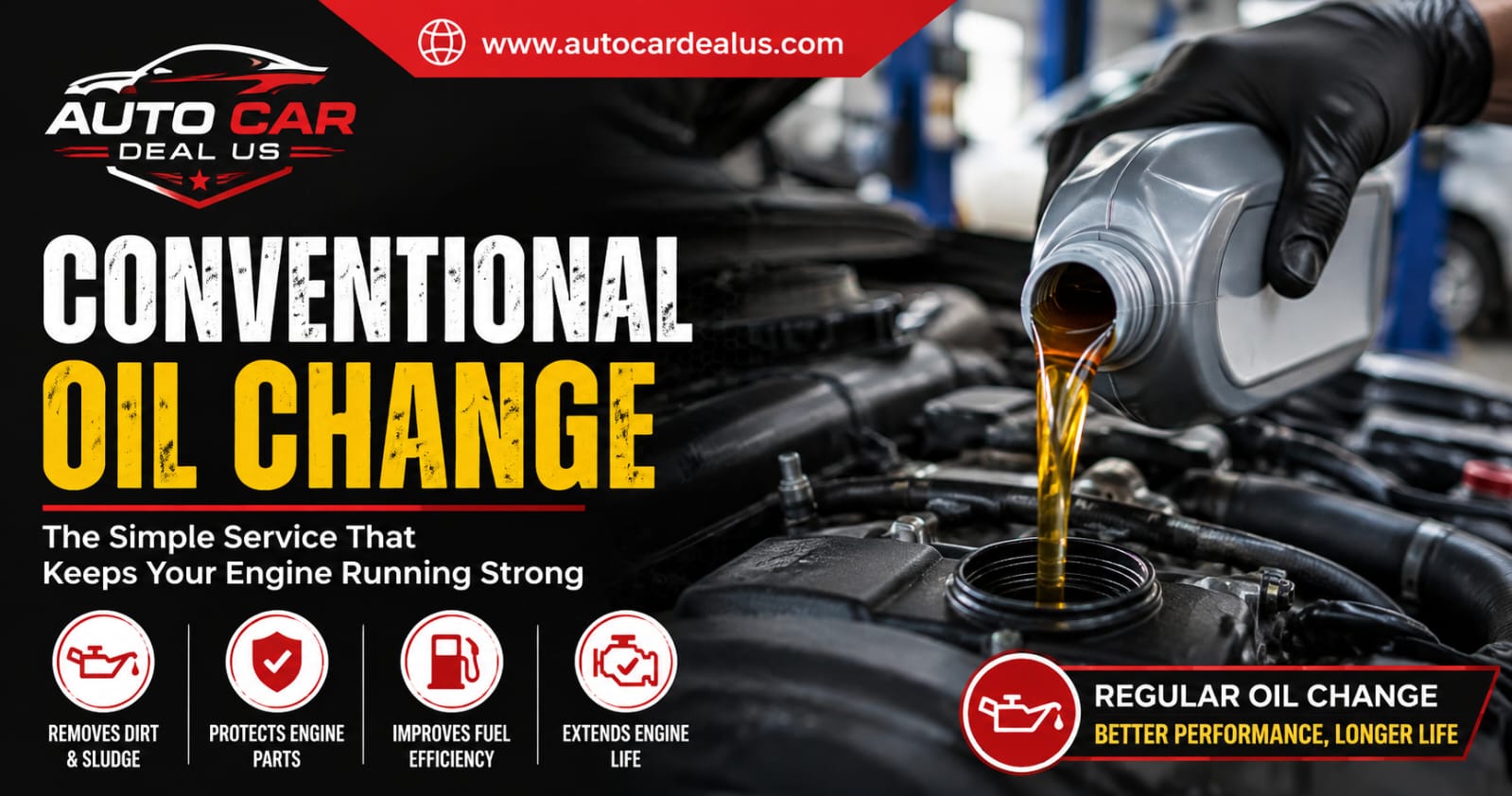
Understanding Conventional Motor Oil Conventional Oil Change
Conventional motor oil remains a practical choice for many older vehicles. It is refined directly from crude petroleum through established processing methods. This oil provides essential lubrication between moving engine components during operation. It also helps reduce friction, heat, deposits, and premature component wear. For many drivers, an Oil Change in USA remains routine maintenance. Conventional lubricant typically costs less than synthetic or full-synthetic alternatives. However, vehicle manufacturers specify different viscosity grades and service intervals. Always check your owner’s manual before selecting replacement engine.Conventional Oil Change
How Conventional Oil Protects Your Engine Conventional Oil Change
Engine oil creates a protective layer between moving metal components. This lubrication reduces direct contact between pistons, bearings, camshafts, and other parts. Conventional oil also carries contaminants toward the oil filter during circulation. Its detergent additives help control sludge, varnish, and harmful deposits inside engines. Proper lubrication supports smoother operation and helps maintain consistent engine performance. Fresh oil can also improve protection during frequent driving and idling. New York drivers often encounter stop-and-go traffic that increases engine operating demands. Regular maintenance therefore becomes important for dependable daily transportation.
When Should Conventional Oil Be Changed Conventional Oil Change
Oil change intervals depend on vehicle age, driving conditions, and manufacturer recommendations. Many older vehicles require servicing around every 3,000 to 5,000 miles. Modern vehicles may allow longer intervals under normal operating conditions.Always follow your vehicle manufacturer’s recommended maintenance schedule.Severe driving conditions can require more frequent engine oil replacement. Short trips, heavy traffic, towing, and extreme temperatures may qualify as severe use. Drivers should also monitor oil condition between scheduled maintenance appointments. Regular inspections can identify low oil levels before serious engine problems develop.
Benefits of Conventional Engine Oil
Conventional motor oil offers several advantages for suitable vehicles and driving patterns. Its affordable pricing makes routine lubrication services easier for many vehicle owners. It remains widely available at automotive stores, service centers, and dealerships. Many older engines were originally designed around conventional petroleum-based lubricants. The oil can provide dependable lubrication when replaced at recommended intervals. It also works effectively with properly maintained oil filters and engine components. Choosing appropriate viscosity remains essential for maintaining proper lubrication performance. Drivers should prioritize manufacturer specifications rather than selecting oil based solely on price.
Conventional Oil Versus Synthetic Oil
Conventional and synthetic oils differ significantly in formulation, performance, and refinement. Synthetic lubricants undergo advanced chemical engineering processes that create more uniform molecules. They generally provide stronger temperature stability and improved resistance against oxidation. Conventional oil can still provide reliable protection under appropriate operating conditions. Synthetic oil may become preferable for demanding driving environments and newer engines. Conventional lubricants often remain attractive because they carry lower purchase costs. The correct option depends on vehicle requirements, driving habits, climate, and maintenance schedules. Never switch oil types without checking manufacturer recommendations first.
Choosing the Correct Oil Viscosity Conventional Oil Change
Oil viscosity describes how easily lubricant flows at different operating temperatures. Common grades include 5W-30, 10W-30, and 10W-40 for various vehicles. The first number indicates cold-temperature flow characteristics during engine startup. The second number represents viscosity when the engine reaches operating temperature. New York winters can make appropriate cold-weather viscosity especially important. Warmer conditions can also influence oil performance during extended highway driving.Use the oil viscosity recommended by your vehicle manufacturer. Using an unsuitable grade may affect lubrication, fuel economy, and engine protection.
Why Replacing the Oil Filter Matters
An oil change should normally include inspection or replacement of the oil filter. The filter captures dirt, metal particles, sludge, and other contaminants. A saturated filter may restrict oil flow and reduce filtration effectiveness. Replacing the filter helps maintain cleaner lubricant throughout the engine. Technicians typically drain old oil before installing fresh replacement lubricant. They then inspect the drain plug and sealing washer for damage. Proper filter installation helps prevent leaks after completing the service. Drivers should choose quality filters compatible with their vehicle’s engine specifications.
Conventional Oil Maintenance for New York Drivers
New York driving conditions can place additional demands on engine lubrication systems. Congested roads often involve repeated acceleration, braking, idling, and short-distance travel. These conditions may increase fuel consumption and engine operating temperatures. Winter weather can also affect cold starts and lubricant flow characteristics. Regular oil maintenance supports dependable engine performance throughout changing seasonal conditions. Drivers should monitor mileage, oil levels, dashboard warnings, and maintenance reminders. Following the recommended service schedule can help prevent unnecessary mechanical complications. Professional inspections can identify additional maintenance needs during routine oil service.
Warning Signs Your Oil Needs Attention
Several warning signs can indicate potential lubrication or maintenance problems. A low oil warning light requires immediate attention from the vehicle owner. Unusual engine noises may develop when lubrication becomes insufficient or degraded. Dark, gritty, or contaminated oil can also indicate excessive buildup. Burning oil odors may suggest leaks or other engine-related concerns. Some vehicles may experience reduced performance when oil levels become dangerously low. Drivers should avoid ignoring persistent warning lights or unusual engine behavior. Prompt inspection can help prevent minor lubrication issues from becoming expensive repairs.Conventional Oil Change
Vehicle Maintenance After an Oil Change Conventional Oil Change
Proper maintenance continues after fresh conventional motor oil enters the engine. Check the oil level according to the manufacturer’s recommended inspection procedure. Keep maintenance records showing mileage, service dates, and lubricant specifications. These records help owners track future maintenance and support vehicle resale value. Regular tire inspections, brake checks, coolant service, and air filter replacement remain important. Drivers should also inspect for oil leaks around the engine compartment. A consistent maintenance routine supports reliability and helps extend engine service life. Auto Car Deal US encourages drivers to follow manufacturer-approved maintenance schedules.
Frequently Asked Questions
How Frequently Should Conventional Oil Be Replaced?
Conventional oil should follow the interval recommended by your vehicle manufacturer. Driving conditions can require shorter intervals under severe operating circumstances. Check your owner’s manual for the most accurate maintenance recommendation.
What happens if conventional oils notchanged?
Old oil can accumulate contaminants,lose protective additives, and become less effective. Continued use may increase friction, deposits, wear, and potential engine damage. Regular servicing helps maintain proper lubrication and reliable engine performance.
Why is an oil filter replaced during service?
The oil filter removes contaminants circulating through the engine lubrication system. Replacing it helps prevent trapped debris from contaminating fresh replacement oil. A clean filter also supports consistent oil flow throughout the engine.
When is conventional oil a good choice?
Conventional oil can suit many older vehicles and normal driving conditions. It can provide dependable lubrication when used at recommended service intervals. Always verify compatibility, viscosity, and manufacturer requirements before choosing conventional lubricant.
